

Table of Contents
March Is Reading Month: Why Reading to Your Child Every Day Matters
By Dr. Katherine Lewitzke, Clinical Psychologist and Clinic Director, Bright Pine Behavioral Health
March is celebrated as Reading Month in many schools across the country. Classrooms fill with books, reading challenges, and special guest readers. While these celebrations are wonderful, the most powerful reading moments often happen at home—when a parent sits beside their child and opens a book together.
Reading is far more than an academic skill. It is one of the most powerful tools we have to support a child’s cognitive development, emotional growth, and connection with their parents.
As a psychologist who works with children and families every day, I often encourage parents to make reading a simple daily ritual. Even 10–15 minutes of reading together each day can have lasting benefits for your child’s brain and emotional development.
Why Reading to Your Child Is So Important
Research consistently shows that children who are read to regularly experience benefits across multiple areas of development.
1. Language and Brain Development
Reading exposes children to far more words and vocabulary than they hear in everyday conversation. This strengthens language development, comprehension, and future academic success.
Studies from the American Academy of Pediatrics show that shared reading strengthens neural connections in areas of the brain responsible for language and imagery.
Simply put, reading helps build the architecture of the developing brain.
2. Emotional Development
Stories allow children to explore emotions in a safe way. Through characters and narratives, children learn about:
- empathy
- problem solving
- kindness
- courage
- resilience
Books help children understand their own feelings and the feelings of others.
For many children, stories also open the door to important conversations with parents.
3. Strengthening the Parent-Child Bond
Reading together creates connection and security.
When a child sits next to a parent during story time, they are experiencing something psychologists call shared attention and emotional attunement. These moments communicate safety, warmth, and presence.
Children often remember these quiet reading moments for years.
How to Make Reading Fun for Kids
Not every child naturally sits still for books, and that’s okay. Reading should feel playful and engaging, not like a chore.
Here are a few ways parents can make reading more enjoyable:
Let Your Child Choose the Book
Children feel more invested when they choose the story.
Use Voices and Expression
Different character voices and dramatic storytelling make books exciting.
Ask Questions
Pause during the story and ask things like:
• “What do you think will happen next?”
• “How do you think the character feels?”
• “What would you do?”
This builds critical thinking and emotional awareness.
Make Reading Part of Your Routine
Bedtime reading is one of the most effective ways to build consistency. Children quickly come to look forward to it as part of their nightly rhythm.
Books That Support Children’s Confidence and Emotional Growth
📚✨ Books shape how children see themselves.
They build confidence.
They teach courage.
They give language to big feelings.
They help kids feel less alone.
As a psychologist and a mom, I wrote these stories with intention—to support children emotionally while celebrating who they are.
Here are some of the books families are reading this March:
💙 Amazing Boy – celebrating strength, kindness, imagination, and the incredible potential inside every boy.


 Vera Goes to the Hospital – a gentle, reassuring story that helps children prepare for medical experiences and feel safe through uncertainty.


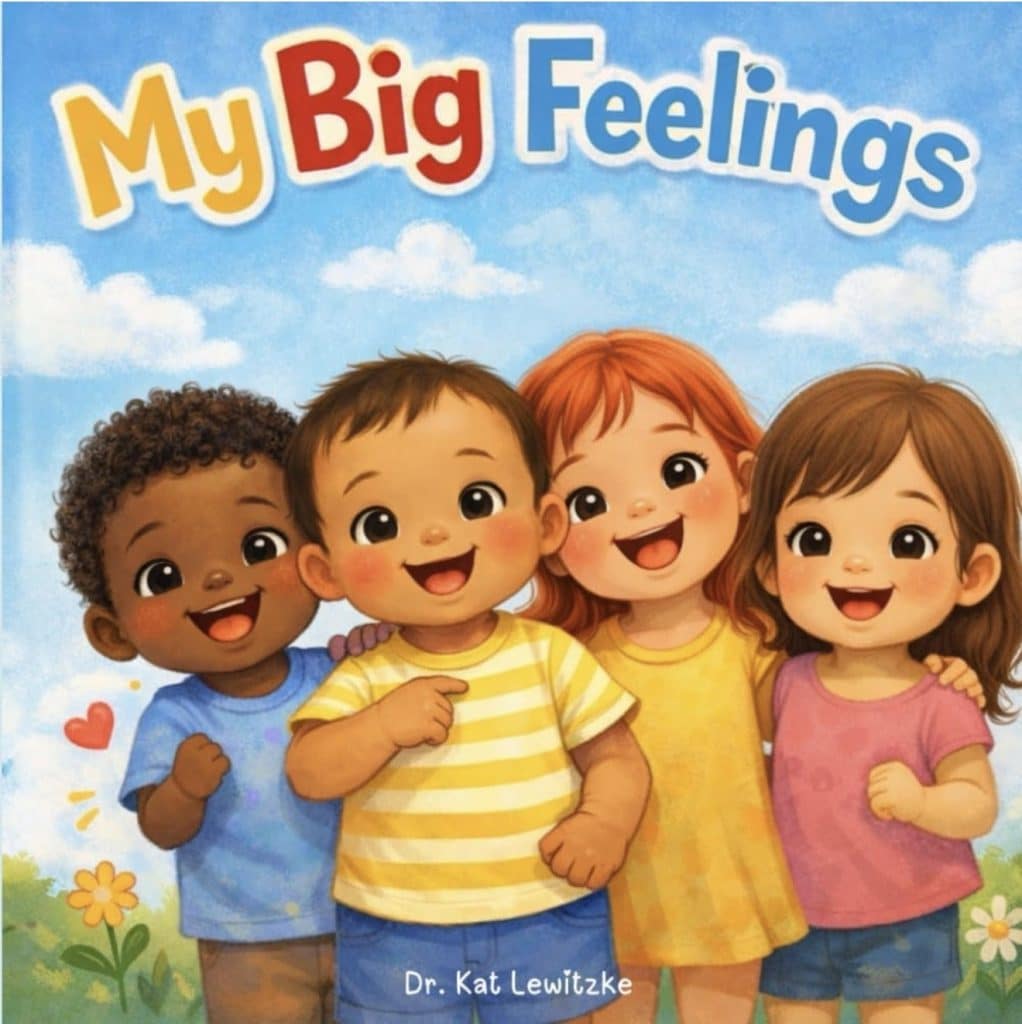
🌈 My Big Feelings – teaching little ones that all feelings are okay and giving them tools to express and manage emotions.
🩰 Tiny Toes Ballet – a joyful celebration of dance, confidence, rhythm, and the magic of performing.

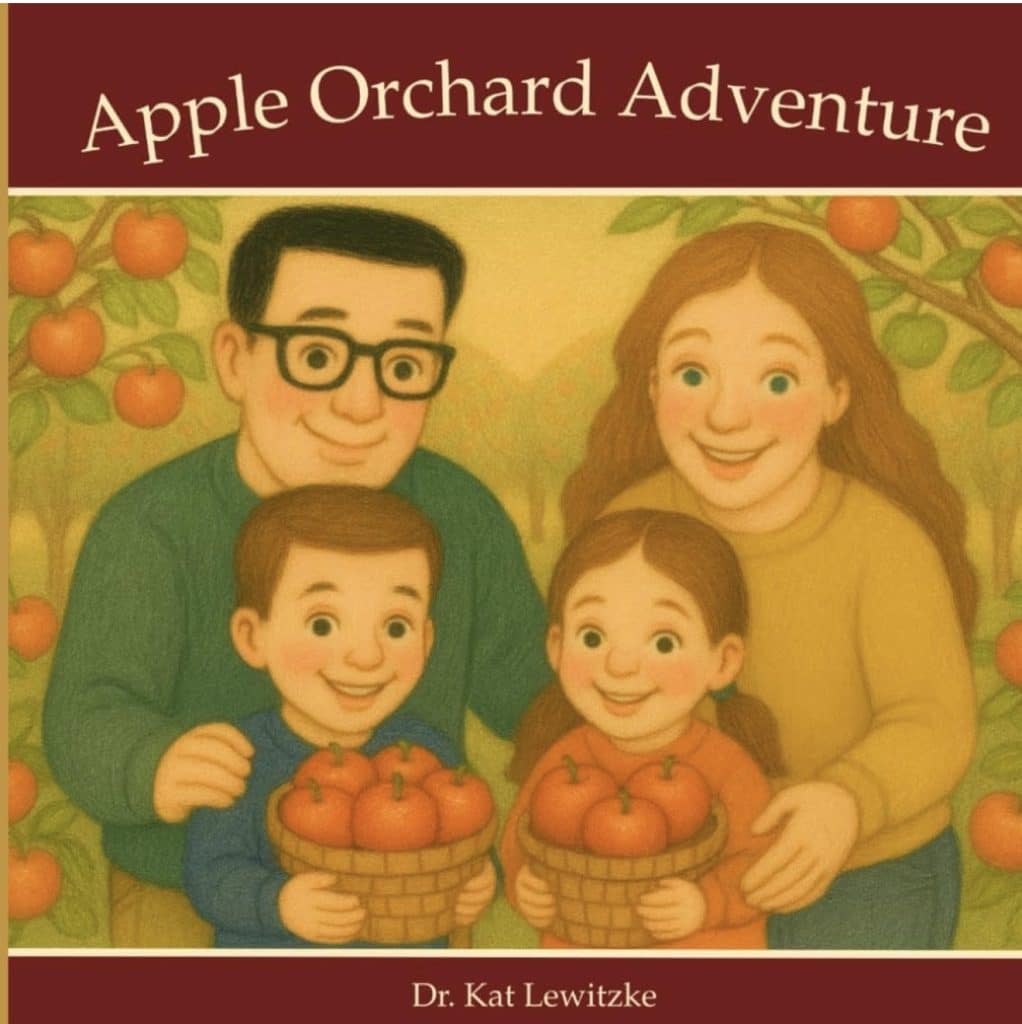
🍎 Apple Orchard Adventure – a heartwarming sibling adventure about change, bravery, and discovering that new places can hold unexpected magic.
Each book is designed not only for children, but also for the adults reading with them. Every story includes thoughtful guidance for parents and caregivers, because supporting children emotionally doesn’t stop when the story ends.
The Goal Is Not Perfection—It’s Consistency
Parents often worry they are not doing enough. The truth is that small, consistent moments matter most.
You do not need long reading sessions or complicated activities. Even one short story a day can help build:
- stronger language skills
- emotional intelligence
- imagination
- lifelong learning habits
Most importantly, reading together communicates something every child needs to hear:
“You matter. I enjoy spending time with you.”
A Simple Challenge for Reading Month
This March, consider creating a family reading challenge:
Read together 10–15 minutes each day for 30 days.
You might be surprised how quickly reading becomes one of the most cherished parts of your day.
If you’re celebrating March Reading Month at home or in the classroom, I’d be honored to be part of your bookshelf.
📖✨ Happy Reading Month!

